







Medea | A Greek tragedy in the underground car park
2019-03-25
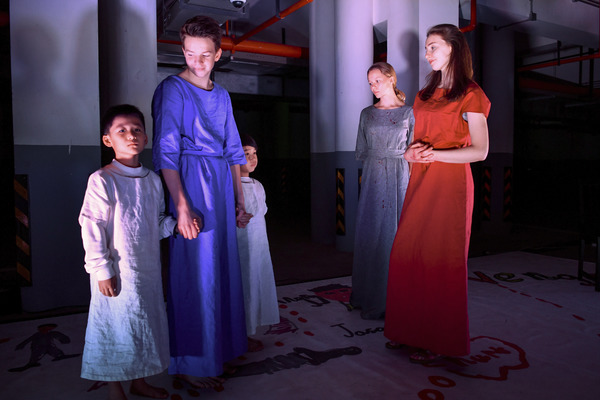
The Greek tragedy, ‘Medea’, was this year’s Senior School play. It was performed in the College’s underground car park, which might seem a bizarre place to stage a tragedy, Greek or otherwise, or indeed any kind of play at all. But there were two broad reasons for the choice of location.
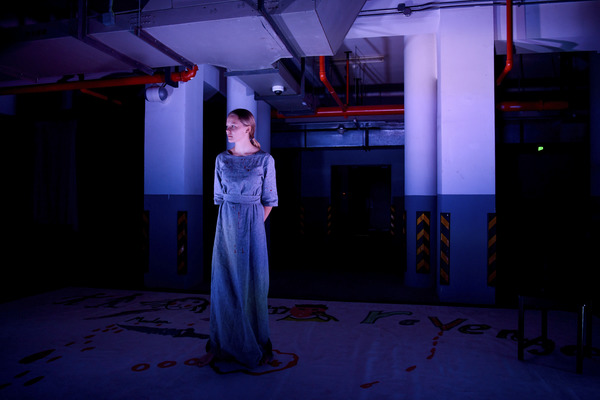
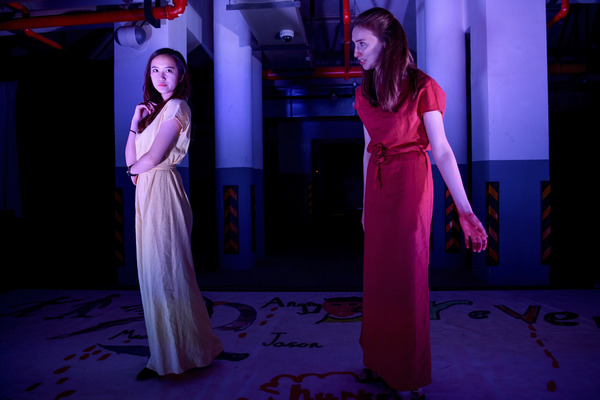 First, the play’s hellish, dank world of subterranean emotions is nicely mirrored by the austere, forbidding concrete of the car park and its cavernous, mysterious corners. And second, the staging of a drama in an unfamiliar setting ensures that its actors are alert, flexible and completely sensitive to their surroundings, and especially the ways in which they connect with the audience.
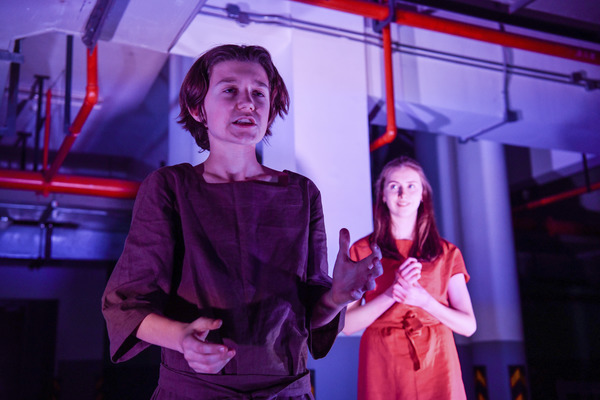
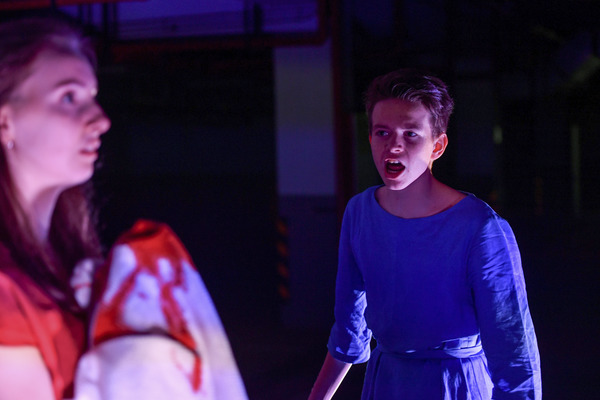
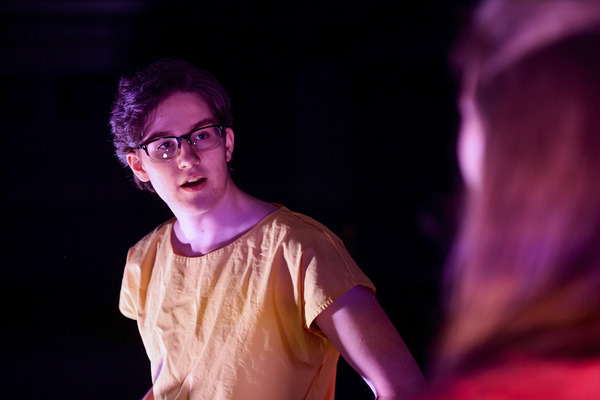 Real estate agents say that the three most important things when buying a house are ‘location, location and location’, and while this might not be so literally true for theatre, it’s undoubtedly a factor. By removing the usual comforts of a stage, by taking away the proscenium arch, and by bringing the actors very close to their audience, a different and more intense process of delivering lines is demanded. It is acting in the raw – vital, stripped down and confrontational. To persuade the audience and remain persuasively watchable, actors must find something dynamic within themselves. And although the space might in this sense be challenging, it is also rewarding: get it right and the benefits can be stunning.
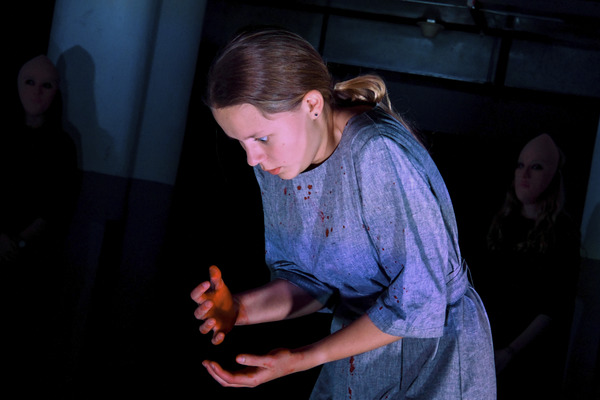
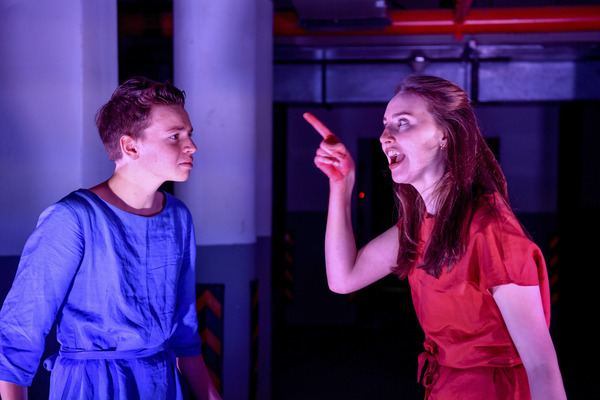 Reaching into oneself and testing one’s mettle are, of course, important elements of self-development. To feel uncertain, to find ways around the reasons for this anxiety, and eventually to prevail – these are all important factors in determining character. But there’s something else, too. Someone remarked to me after the play that it mattered ‘deeply’ to him that he was working in a school environment where Greek tragedy could be staged in a car park. By this, I am assuming he meant it showed a kind of courage and a desire to do something different, which are marks of educational ambition. Without them, ‘Then darkness’, as Medea’s nurse says.
First, the play’s hellish, dank world of subterranean emotions is nicely mirrored by the austere, forbidding concrete of the car park and its cavernous, mysterious corners. And second, the staging of a drama in an unfamiliar setting ensures that its actors are alert, flexible and completely sensitive to their surroundings, and especially the ways in which they connect with the audience.
Real estate agents say that the three most important things when buying a house are ‘location, location and location’, and while this might not be so literally true for theatre, it’s undoubtedly a factor. By removing the usual comforts of a stage, by taking away the proscenium arch, and by bringing the actors very close to their audience, a different and more intense process of delivering lines is demanded. It is acting in the raw – vital, stripped down and confrontational. To persuade the audience and remain persuasively watchable, actors must find something dynamic within themselves. And although the space might in this sense be challenging, it is also rewarding: get it right and the benefits can be stunning.
Reaching into oneself and testing one’s mettle are, of course, important elements of self-development. To feel uncertain, to find ways around the reasons for this anxiety, and eventually to prevail – these are all important factors in determining character. But there’s something else, too. Someone remarked to me after the play that it mattered ‘deeply’ to him that he was working in a school environment where Greek tragedy could be staged in a car park. By this, I am assuming he meant it showed a kind of courage and a desire to do something different, which are marks of educational ambition. Without them, ‘Then darkness’, as Medea’s nurse says. 相关资讯

What is iGEM and our project, Barnacure?2025-10-09
iGEM Competition & Barnacure Team Members Team Illustration by Joanna, Year 11Article written Jing Jing, Year 11Primary Principal Investigator: Thomas Edwards, Head of Biology & Head of Science What
点击阅读
多彩校园,卓越之路:惠灵顿奖学金获得者Melody的故事2025-03-07
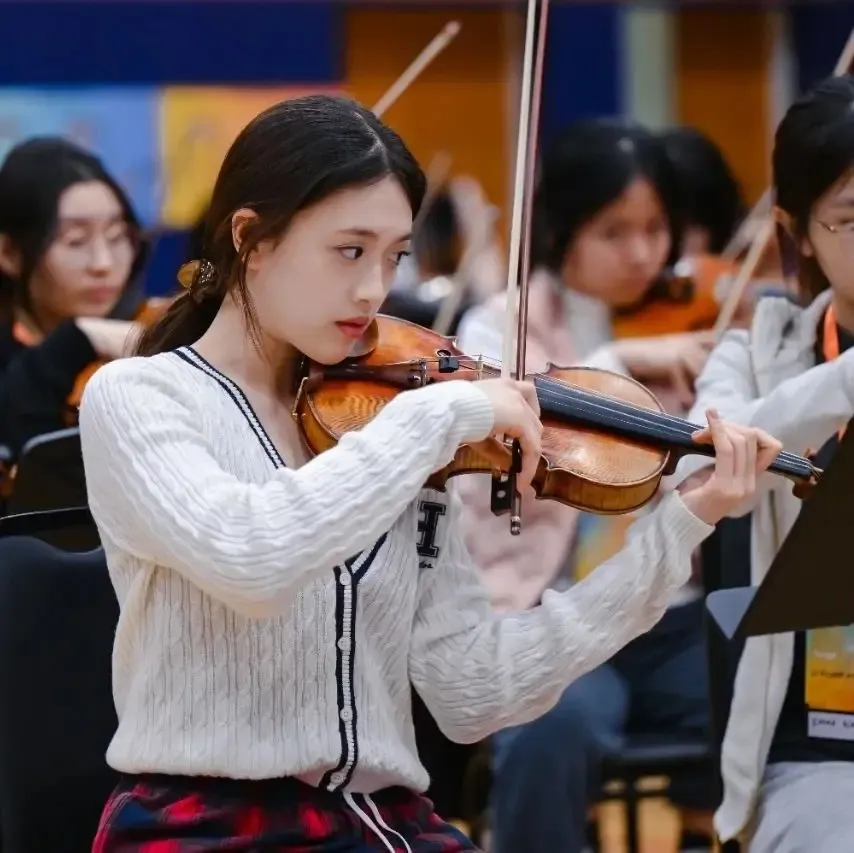
音乐成为Melody一生的挚爱,这并不令人意外。早在四岁时,她就被父亲——一位技艺精湛的制琴师——手工制作小提琴的过程深深吸引。在与钢琴老师合奏小提琴的经历中,她逐渐领悟到五线谱上的每一个音符都蕴含着独特的个性。 这段视频讲述了一个关于坚持、奉献和追求卓越的故事。让我们一起聆听Melody的分享,探究为何每个声音都如此重要且独一无二。 对话Melody——惠灵顿艺术类奖学金获得者(音乐)“每一个
点击阅读

Be You. Be More. | Jay的艺术生长之路2025-12-03
从三四岁在纸上随意涂鸦,到如今在近两米高的画布上纵情挥洒颜料,12年级学生Jay的艺术之路,是一次伴随着思考、尝试与自我突破的成长过程。 点击观看惠灵顿艺术资优生Jay的故事小时候的涂鸦画作 十岁那年,Jay走进一家专业画室,第一次面对大幅画布时,他感受到前所未有的自由:“画布很大,能承载很多想象。” 从纸上的铅笔、圆珠笔,到画布上的丙烯颜料,材料的转变带来了表达的跃迁——调色、叠加、实验,绘画
点击阅读