





Shanghai international schools are using digital tools in classes and beyond
On 18th-19th October, ACAMIS held its annual ‘Make it Happen’ conference – which draws together educators from across China and Mongolia. Our own Mr Thomas was not only in attendance, he delivered one of the key presentations outlining the use of Microsoft’s OneNote program in various educational contexts. Mr Thomas is one of the very few Microsoft Innovative Educator (MIE) Experts working in Shanghai and he has been at the forefront of integrating technology into education for over 10 years. He explains why it’s so important for pupils to ‘take note’ of the emergence of widely utilised digital tools, and how it affects their learning potential.  What was the purpose of your presentation at Make it Happen 2019 and how was it received? Gareth Thomas: Basically I was introducing what OneNote can do before demonstrating its main functions in workshops. It was a really interesting mixed audience: we had educators who had only heard about it and wanted to know more, as well as those who had been using it for a while and wanted to get better direction on how to make the best use of it. And, very broadly speaking, what does OneNote offer the average user? Gareth Thomas: It serves as a fantastic library of all your notes, documents, drawings, screen clips, audio files etc in one accessible location. You can keep your data together securely and conveniently across many different devices, which is a reality for most of us now. It’s really not unusual for even schoolchildren to have a smartphone, laptop and/or desktop plus maybe a tablet or other mobile devices as well, so keeping track of your data can be difficult if you frequently switch between devices. It’s also a very good collaboration tool for working on documents, presentations, anything you might need to share with your peers.
 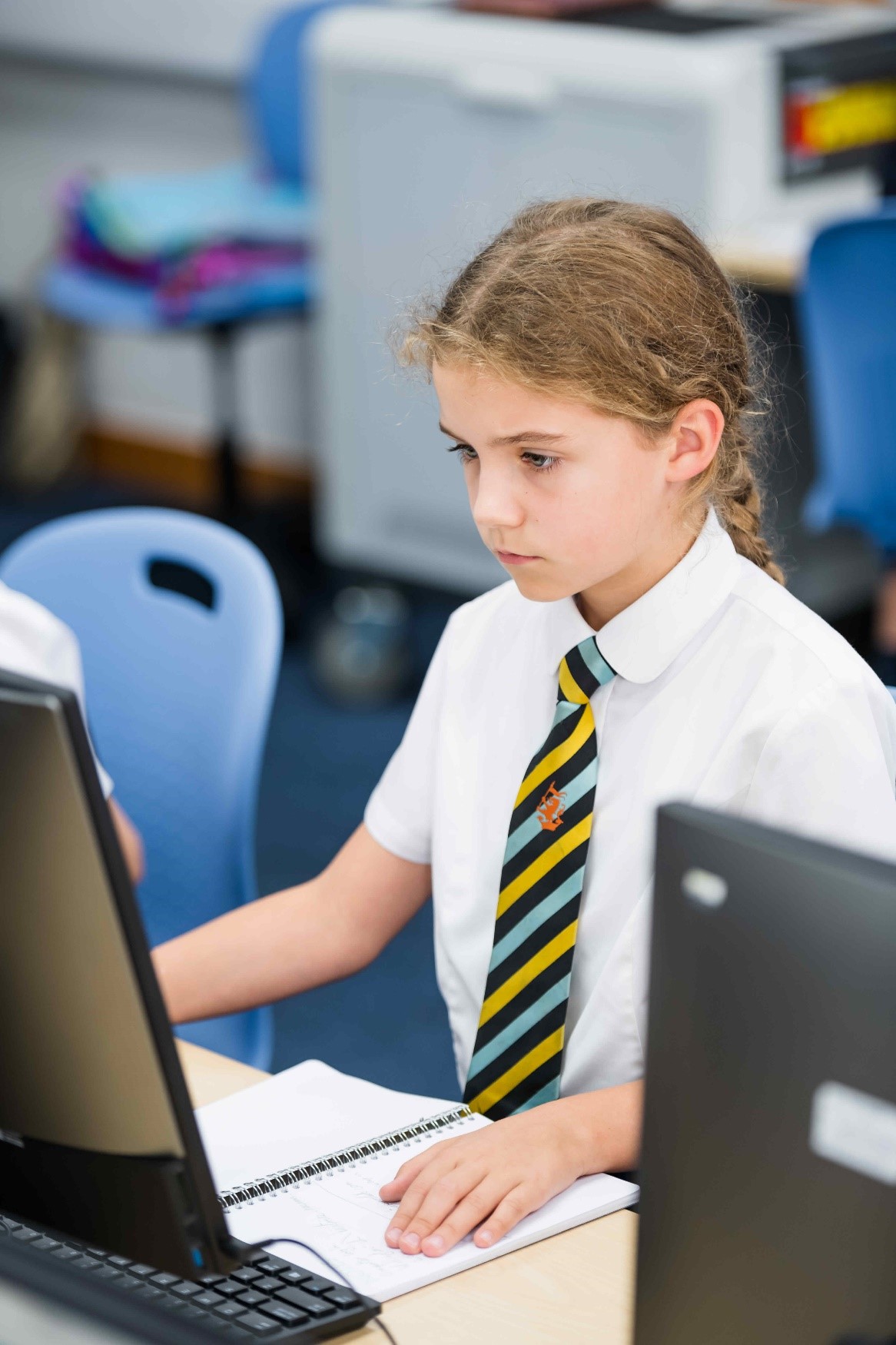 How much of the presentation was based on successes that you’ve had with pupils in the classroom? Gareth Thomas: Most of it, I’d say. I started using OneNote about five years ago and I’ve had as much success with getting pupils to use it as I have with my fellow teachers. How easy is it to get pupils to embrace digital tools like this and consider new ways of working? Gareth Thomas: The pupils I’ve introduced to OneNote and other digital tools often use them extensively and successfully. Like any tool, digital or otherwise; it has to be fit for purpose. Once pupils see benefits and potential limitations of the tool, they decide for themselves if they find it useful. After they have a good grasp of the basics, you can show them the more advanced functions and hopefully this will make a big difference in the way they work. This approach applies equally to pupils and teachers, the only difference is that our pupils are ‘digital natives’ (i.e.: they were born into the age of internet and ubiquitous personal technology) and as such they are generally more open to trying out different digital tools.
  What is it that they like about OneNote? Gareth Thomas: It’s accessible and flexible, those are the main attractions for them, I think. It’s cross platform, even to Apple devices, which is noteworthy in of itself. It also has a nice, easy user interface, which is something that pupils are used to having and they already have a high level of familiarity with using Microsoft products.
 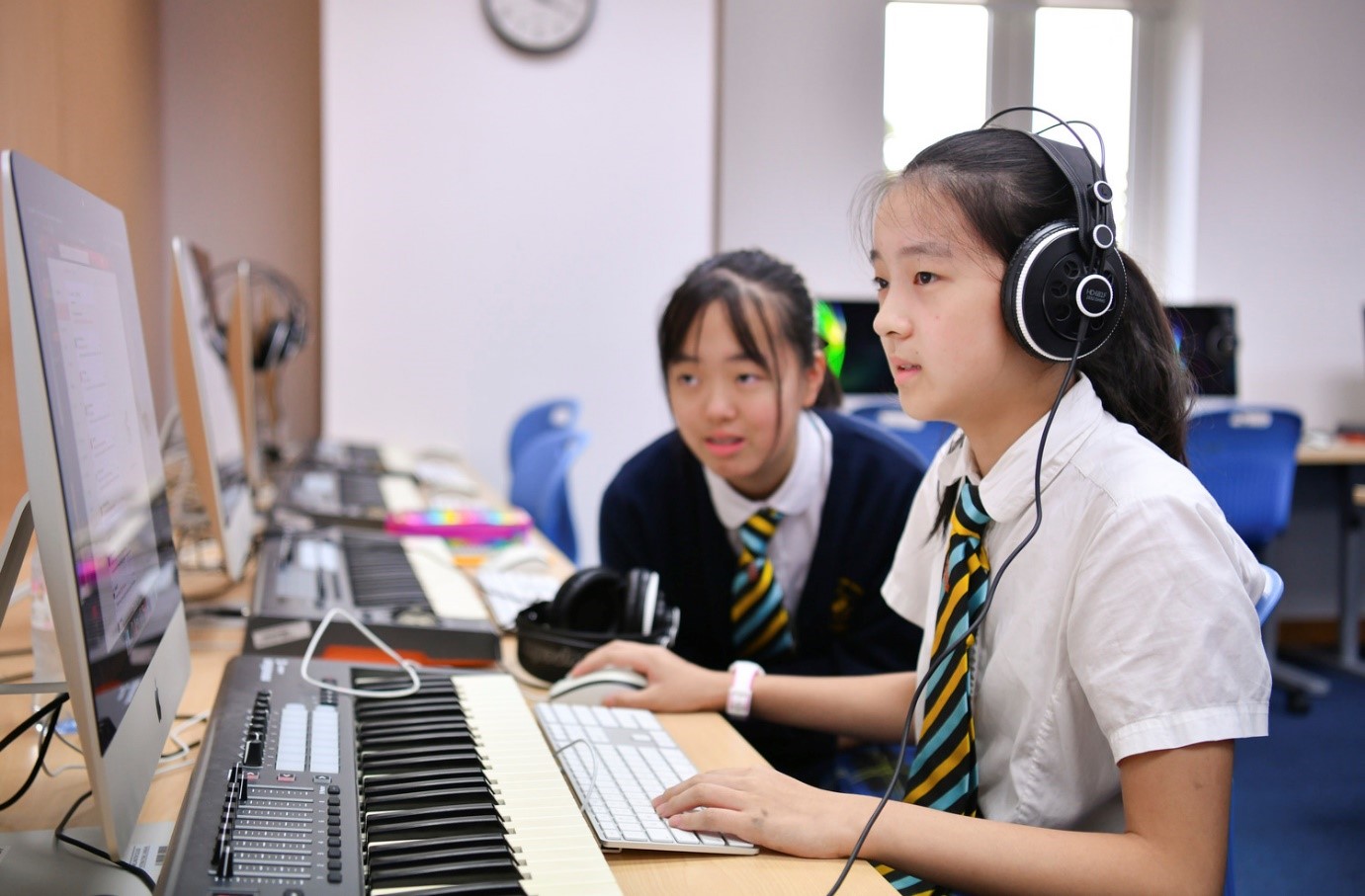 Overall, how does familiarity with different digital tools help pupils’ learning? Gareth Thomas: It helps them keep track of all their data easily, which means that they are far less likely to lose progress in assignments or projects. If they have a test coming up, with something like OneNote they can access all of their revision notes in one place. Put it this way, it’s been a long time since I’ve heard excuses like: “I couldn’t revise because I lost my book.” If they have their phone, they have their notes. More broadly speaking, using digital tools can make pupils better collaborators. They are able to working with their peers in a way that’s convenient for them. We all have busy lives which means it can sometimes be difficult to physically meet up in the same time and place. These tools allow them to work collaboratively even if they are in different parts of the shanghai international school, different cities, countries or even time zones – they can all still contribute to shaping a piece of work. This is exactly the kind of grounding that many of them will need for the realities of working in a global digital economy. The other way it helps is by extending learning beyond the classroom. There has never been a better time in human history for independent learning. Pupils can learn when they want, where they want using digital tdevices and tools. When we say we want to cultivate highly curious and independent learners at Wellington, we mean exactly that, and technology can be an immense help in achieving that aim.
相关资讯